As End Overdose exponentially evolves, we continue to seek out guidance from friends across industries and in their areas of expertise. Their perspectives are essential to our growth, whether it’s enhancing the medical intricacies of our online trainings, the impact of our awareness campaigns in entertainment, or our broader outreach efforts nationwide.
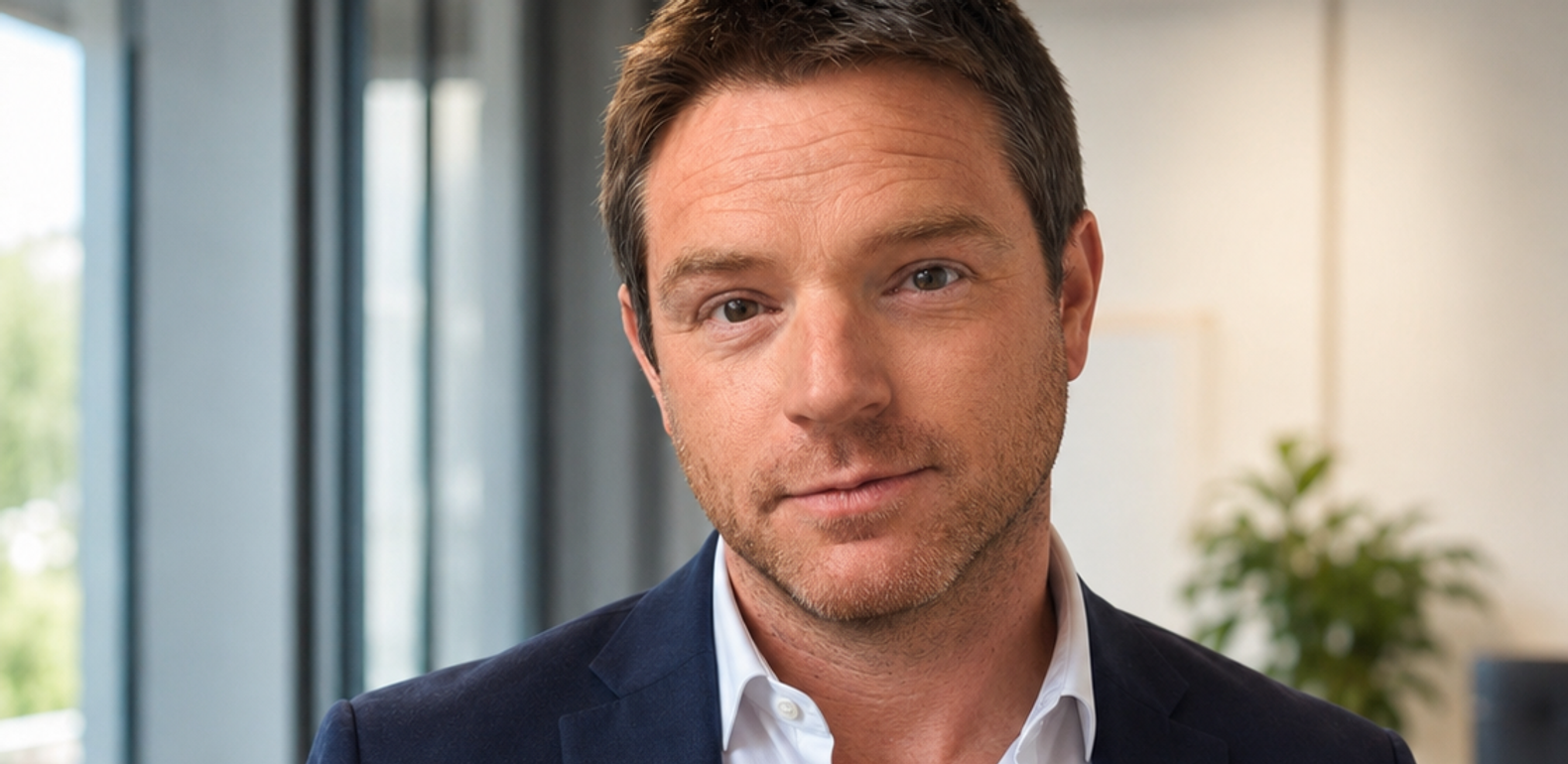
Thus, we’re excited to welcome Rick Pescatore, D.O. to the advisory board as our EMS Medical Advisor!
Rick Pescatore, D.O. is a board-certified emergency physician, founder and CEO of BellyMD, and Chair of the Editorial Board of Emergency Medicine News (Wolters Kluwer). Starting his career as an EMT in South Jersey, he attended the U.S. Naval Academy, graduating with honors in aerospace engineering before commissioning as a nuclear submarine officer. Following military service, he attended medical school in Philadelphia and completed emergency medicine training at Cooper University Hospital in Camden, NJ, where he served as chief resident until 2017. He trained further in interventional headache medicine, becoming the first emergency physician diplomate of the American Interventional Headache Society.
His career has moved between clinical practice and executive leadership. As Chief Physician in Delaware during COVID-19, he directed the state's clinical response, co-designed one of two CDC-endorsed return-to-school testing strategies, and advised the White House Task Force on nationwide implementation. He has held faculty appointments at Drexel and Jefferson Universities, served as Chief Medical Officer of a multi-state hybrid medicine enterprise, and since 2016 has led NIDA-funded programs supporting emergency physicians in substance-use disorder management.
At BellyMD, he leads development of digital technologies for disorders of gut-brain interaction alongside therapeutic programs targeting cannabinoid hyperemesis syndrome and cyclic vomiting syndrome. He has authored dozens of peer-reviewed publications, including a Cochrane systematic review, and hundreds of clinical and lay press articles. He has appeared on national outlets ranging from CNN to Larry King and uses social platforms to reach more than 14 million people monthly.
In honor of Dr. Pescatore joining the team, we spoke with him about one key lesson from his career, the moments he’s most proud of throughout his work to date, and more!
What's one key lesson you've learned throughout your career that you'd like to share?
The patient in front of you is never the whole story. In emergency medicine you meet people on the worst day of their life, and you meet some of them more than once. It is easy to let that harden into judgment, to start seeing the diagnosis or the habit instead of the person. The lesson that took me the longest to learn is that the job is to stay: keep them alive, treat them with dignity, and leave the door open. Nobody recovers from anything if they don't survive the night.
You've had an extensive journey across the field of medicine. What are a few accomplishments you're most proud of?
The work I keep coming back to is Delaware during the pandemic. I helped lead the state's public health response, and the part I'm proudest of was pushing to get into the poultry plants where immigrant workers were falling sick and being ignored. It drew real political heat. It was also plainly the right thing to do, and I would make the same call again.
If there is a thread through the rest of it, across the ER, public health, and the writing, it is some version of that same instinct: keep attention on the people the system is quickest to look past. That is the work I care about.
What inspired you to join End Overdose's Advisory Board?
I found End Overdose the same way a lot of people do now, through the work you put out, where people actually are. I had spent years watching the medical system treat overdose as a revolving door. We get very good at the resuscitation and very bad at everything that comes after. End Overdose does the part the system keeps failing: naloxone in the hands of whoever is standing next to the person going down, real education without the lecture, and no moralizing about who deserves to be saved. It is not complicated, and it works. I wanted to be useful to a group that already understands that.