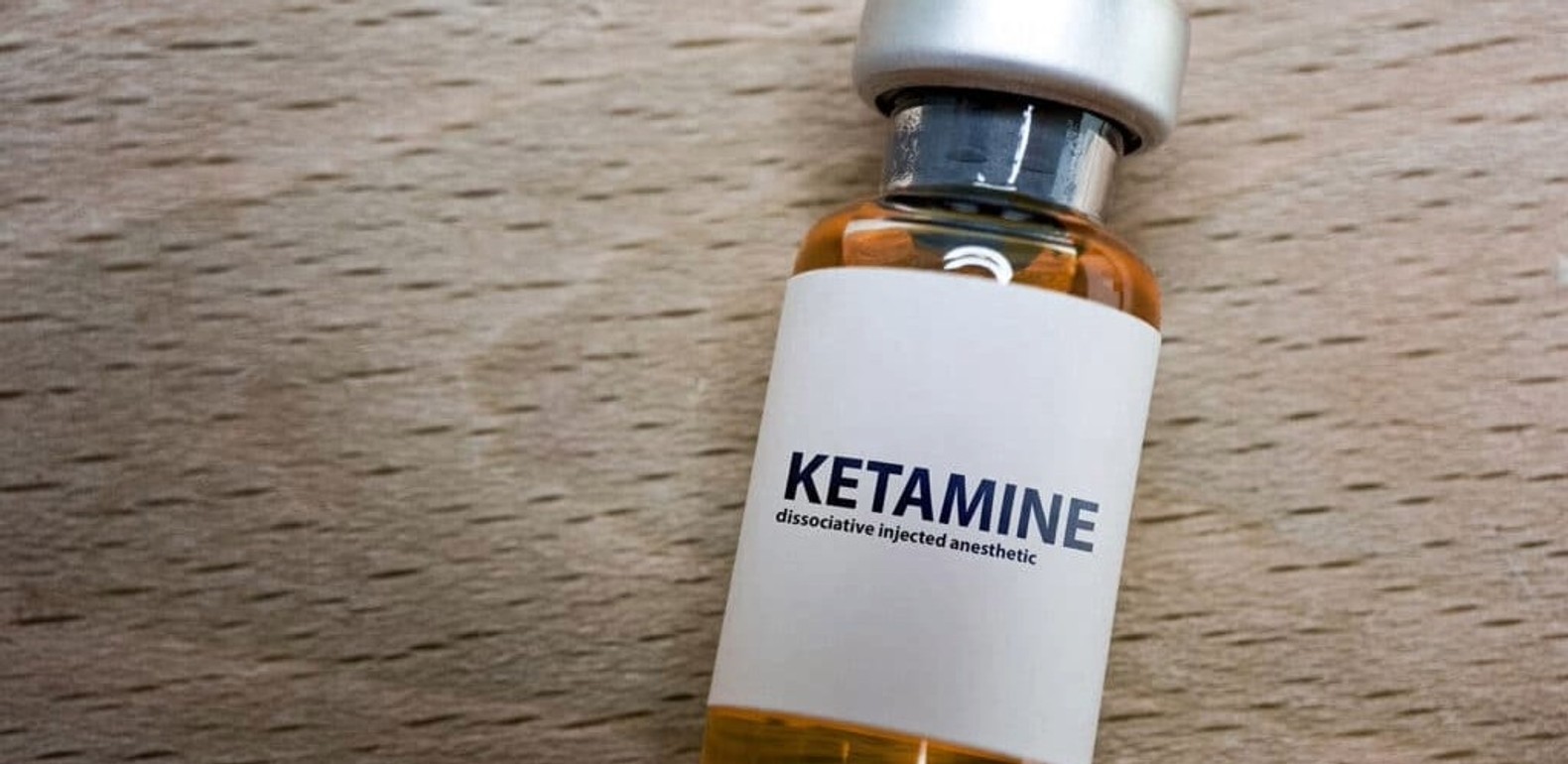
Ketamine is a powerful dissociative anesthetic that induces a hypnagogic state of sedation and pain relief. First synthesized in 1962, ketamine has served as a staple in the medical and veterinary field for surgical procedures. The drug's fast-acting effects and low risk for prolonged sedation, made it ideal for emergency procedures. After years of ketamine being understood only as an anesthetic, scientists discovered that it operates on anti-depressant pathways in the brain. Psychiatry began to adapt the use of ketamine for the treatment of chronic depressive disorders, and was ultimately approved for therapeutic use in 2019. The FDA-approved medication Spravato has been shown to improve treatment-resistant depression outcomes with more success than traditional anti-depressant medications.
Outside of medical use, ketamine rapidly gained popularity in electronic dance scenes in the United States in the 1980’s, earning the nickname “Special K”. In subanesthetic doses, ketamine induces feelings of euphoria, sensory enhancement, and hallucinations. Presently, ketamine has gained recreational popularity, with over 3 million Americans having used the drug since 2015. Although the rates for Ketamine Use Disorder remains under 1% of the population, drug education and safety are still vital.
In the brain, ketamine works by blocking NMDA receptors, serving as an antagonist. When NMDA receptors are blocked, excitatory signaling of neurons (brain cells) is inhibited. Blocking these receptors has downstream effects to other brain systems, such as glutamate signaling. Glutamate is an excitatory neurotransmitter, which triggers neurons to fire and activate. When glutamate is inhibited, so is normal neural communication, and other neurotransmitters such as dopamine begin to increase to compensate for excitatory deficits. While the exact mechanisms of action for ketamine are not fully understood, it is theorized that NMDA, glutamate, and dopaminergic activity play a role in the drug’s psychoactive effects.
The signs, symptoms, and response required to tend to a ketamine overdose differs greatly from those of an opioid overdose. Naloxone, which reverses the effects of an opioid overdose, will not work during ketamine toxicity. It is important to understand that naloxone only works when opioids are driving the respiratory depression associated with an overdose. Ketamine is not an opioid, and does not bind to the brain’s opioid receptors. Although respiratory depression can also be observed during an episode of ketamine toxicity, naloxone will not work to restore breathing. There are currently no FDA approved medications to restore breathing during a ketamine overdose. If someone is experiencing a ketamine overdose, you might see a loss of consciousness, respiratory depression, low blood pressure, slow heart rate, and seizure.
Though deaths associated with a ketamine overdose are rare, compared to opioid overdoses, it is still vital to know how to respond. If you find an individual who is unconscious and is experiencing respiratory depression, you should call 911 regardless of the suspected drug that has been taken. Next, you can begin to differentiate between an opioid overdose and ketamine overdose by observing their pupils. If pupils are constricted, or pinpoint, it is likely that the overdose includes opioids, and naloxone should be administered. Pinpoint pupils are a novel sign of an opioid overdose that is not found in cases of other drug overdoses. This is due to opioids ability to suppress the Edinger-Wesphal nucleus, which controls the muscular constriction of the visual system. Ketamine will not have this effect.
To respond to a ketamine overdose, first call 911. The Good Samaritan Act will protect you, and the individual overdosing from facing legal repercussions. Good Samaritan Laws differ by state, and do not protect against prosecution of other crimes being committed simultaneously, such as trespassing. If the individual does not have a pulse and is not breathing, and you are CPR certified, begin CPR. If the person has a pulse but is not breathing effectively (less than 8 breaths per minute) begin rescue breathing, if the person has both a pulse and is breathing in normal ranges (12-20 breaths per minute) provide supportive care, turn the individual onto their side in order to reduce the risk of asphyxiation if the individual begins to vomit. Stay with the individual while emergency personnel are en route to the scene, and when they do arrive, do not obstruct their ability to provide care. When help does arrive, you can tell paramedics what you have witnessed and what you did to support the individual.
Many recreational drugs are adulterated with substances that someone may have unintentionally ingested, such as synthetic opioids. Even if someone believes that they have only taken ketamine, it is not unlikely that the drug could have been “cut” with opioids. In a situation where multiple substances are involved, and you observe signs of an overdose, you should always administer naloxone. While naloxone will not reverse the effects of ketamine, it will restore breathing if opioids are the cause of the respiratory depression. To reduce the risk of consuming an adulterated substance, it is recommended to use drug testing strips, such as ones that detect the presence of fentanyl or xylazine.
Ketamine is not an inherently dangerous drug in itself, but rather, to co-administration, set, and setting or the drug has the potential to lead to subpar outcomes. In a clinical setting, ketamine is very safe and effective when administered under the supervision of a professional. The risks of using ketamine outside of a clinical setting, can be mitigated, but never fully avoided. It is important to understand drug expectancies and risk before engaging in substance use of any kind. For more information on how to respond to an overdose, and obtain overdose prevention materials, visit endoverdose.net.