 store
store  Garden
  narcat world
  University
For those seeking pathways to recovery in Northeast Arkansas, NEA Divine Intervention is a comprehensive organization that prioritizes emotional and physical health alike. With programs featuring everything from peer-led centers grounded in lived experience, to lifesaving naloxone trainings that address the realities of the opioid crisis across the state, they embrace the concepts espoused by the Substance Abuse and Mental Health Services Administration (SAMSHA), the Department of Behavioral Health and Developmental Disabilities (DBHDD), and Arkansas Peer Support Model.
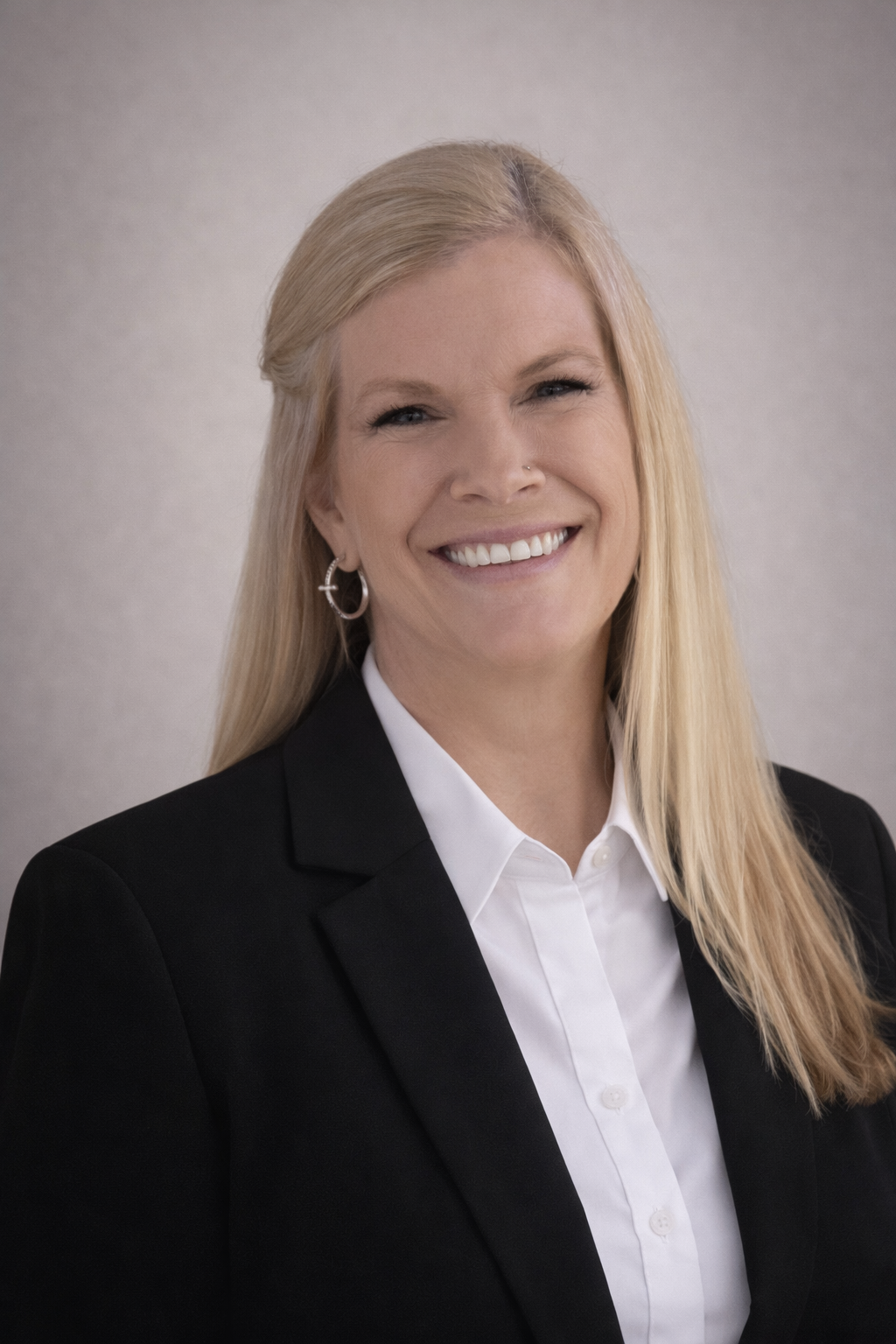
We spoke with Advanced Peer Recovery Support Specialist Nicole Hanners, APRS, NCPRSS, about the importance of community to those in recovery, NEA Divine Intervention's success with the Arkansas Peer Support Model, her evaluation of the broader recovery landscape throughout the Natural State, and much more below.
What’s the overarching mission and message of NEA Divine Intervention?
The overarching mission of NEA Divine Intervention is to meet people exactly where they are—without judgment—and walk alongside them as they pursue recovery, wellness, and personal independence. Our message is one of hope, dignity, and inclusion. We believe recovery is possible for everyone and that there is no single pathway that works for all. As a peer-run recovery community center, we honor lived experience, empower individual choice, and create a safe, welcoming environment where people feel seen, respected, and supported at every stage of their journey.
Can you speak to the importance of having comprehensive resources for those at NEA Divine Intervention, from sober living to employment resources and therapy?
Recovery does not happen in isolation, and it does not end with sobriety alone. People need stable housing, meaningful employment, emotional support, access to treatment, and help navigating real-life barriers. Comprehensive resources allow us to address the whole person—mental, emotional, physical, and social health. When individuals have access to housing, transportation, employment assistance, peer support, and treatment referrals in one place, it reduces gaps in care and increases long-term recovery success. At NEA Divine Intervention, we remove barriers so individuals can focus on building sustainable, independent lives.
Can you speak to the success we’ve had with the Arkansas Peer Support Model?
The Arkansas Peer Support Model has proven to be highly effective because it centers lived experience as a cornerstone of recovery support. At NEA Divine Intervention, we’ve seen firsthand how peer support builds trust, reduces isolation, and increases engagement—especially among individuals who may feel disconnected from traditional treatment systems. When people are supported by peers who have walked similar paths, it fosters hope and shows that long-term recovery is attainable. The model’s emphasis on mutual respect, empowerment, and self-determination aligns perfectly with our mission. By allowing peers to meet individuals exactly where they are, we create meaningful connections that lead to increased retention in recovery services, stronger recovery capital, and improved quality of life.
We’ve also seen peers successfully help individuals navigate complex systems such as treatment referrals, housing, employment, and healthcare—areas that often present major barriers to sustained recovery. Additionally, the Arkansas Peer Support Model supports ethical practice, boundary awareness, and ongoing supervision, which strengthens the integrity of peer services. This structure allows organizations like NEA Divine Intervention to deliver consistent, compassionate, and accountable support while honoring all pathways of recovery. The success of this model is evident in the lives stabilized, the overdoses prevented, and the growing number of individuals who move from crisis into sustained recovery and personal independence.
NEA Divine Intervention also offers a free naloxone training–can you talk about the importance of highlighting overdose response at the center?
Overdose prevention and response save lives—plain and simple. Naloxone training empowers community members, peers, and families to respond quickly and effectively during an overdose emergency. By offering free naloxone training, NEA Divine Intervention reinforces the message that every life matters and that recovery is still possible, even after a reoccurrence ... Overdose education reduces stigma, increases awareness, and ensures our community is prepared to act with compassion rather than fear.
How would you evaluate the treatment and overdose prevention and response landscape in Arkansas?
Arkansas has made progress in recognizing the importance of overdose prevention, but there are still significant challenges. Access to naloxone, education, and overdose prevention services can be inconsistent—especially in rural areas. Stigma, lack of awareness, and limited peer-led services often prevent individuals from seeking help early. While systems exist, they are not always accessible or coordinated in ways that truly meet people where they are.
What gaps can be filled by organizations like NEA Divine Intervention?
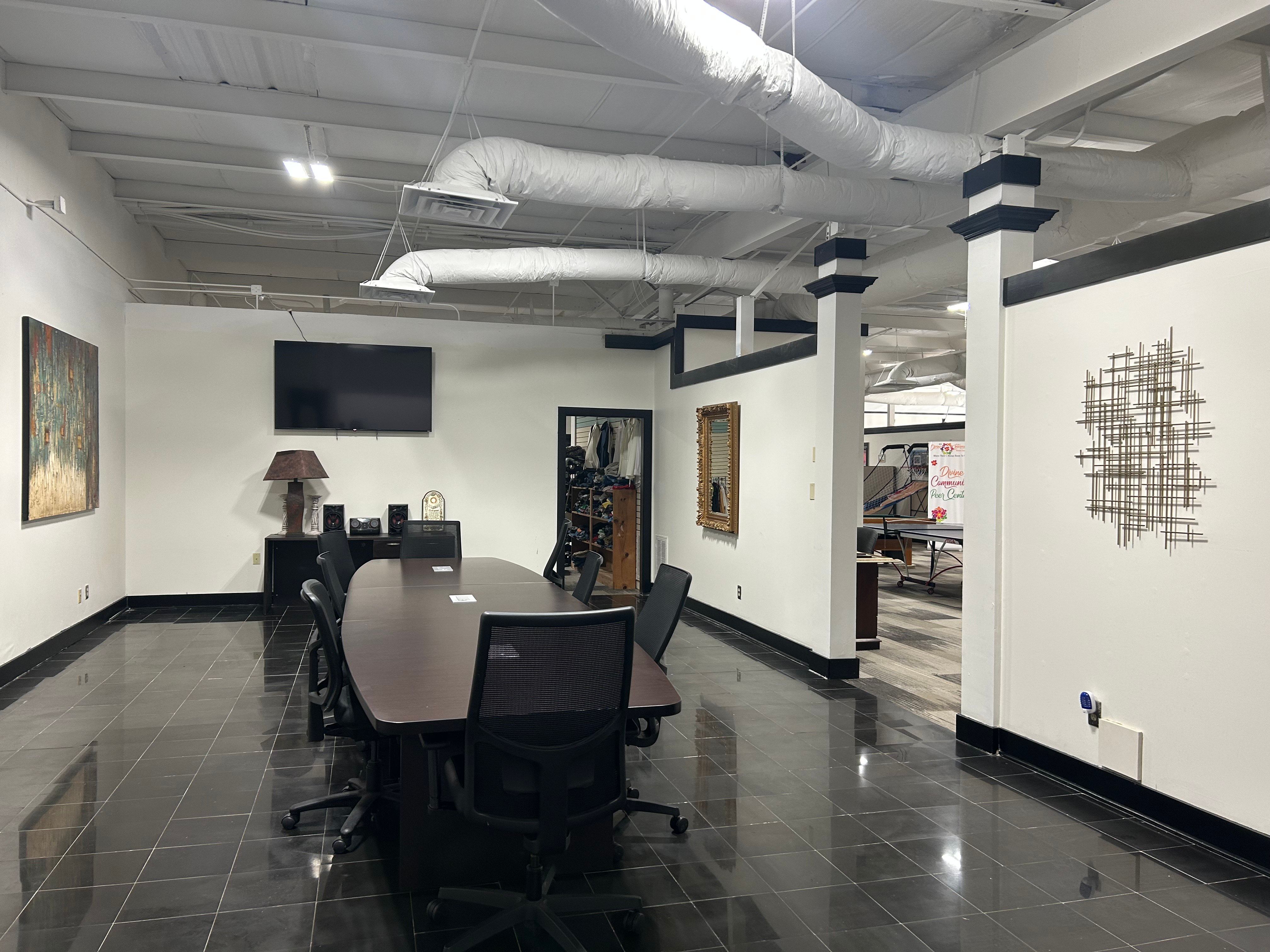
Organizations like NEA Divine Intervention fill critical gaps by offering peer-run, non-judgmental support that traditional systems often cannot. We bridge the space between treatment, housing, and community reintegration. We serve individuals who may not yet be ready for treatment, those returning from incarceration or detox, and those navigating reoccurrence or long-term recovery. By honoring all recovery pathways and providing practical support—like transportation, documentation assistance, clothing, and employment help—we address real-world barriers that can derail recovery.
What do you envision for the future of recovery in Arkansas?
The future of recovery in Arkansas should be community-driven, peer-led, and inclusive. I envision a system where recovery support centers are accessible in every region, stigma is replaced with compassion, and lived experience is valued as expertise. Recovery should be integrated into communities—not hidden—and individuals should have ongoing support long after treatment ends. With collaboration, education, and investment in peer services, Arkansas can build a recovery-oriented system of care that truly saves lives.
Is there anything else you’d like to add?
Recovery is not a one-size-fits-all journey, and no one should have to walk it alone. NEA Divine Intervention exists to remind people that they matter, their story matters, and their recovery is worth supporting. By creating safe spaces rooted in respect, dignity, and lived experience, we don’t just support recovery—we strengthen families, restore hope, and build healthier communities.