 store
store  Garden
  narcat world
  University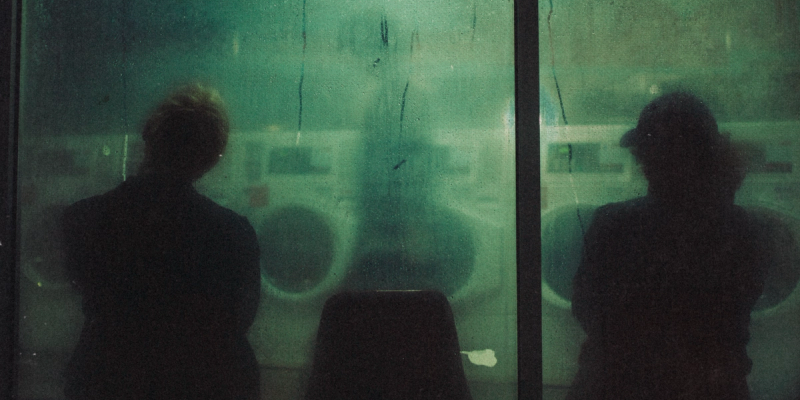
Sustaining creative inspiration is a challenge that faces most artists, but the great ones are able to circumvent those road blocks and recapture the ever-evasive spark. Modeling, an experimental outfit hailing from Fayetteville, Arkansas, faced their own hurdles throughout the writing process of a track following up their brilliant 2022 record Somewhere Before. Faced with the feeling of an inability to crack that specific single's code, they spent two years chipping away before finally leaping to another cut that would become their triumphant return: "at Variance."
Grounded in an ethereal soundscape crafted with a razor-sharp attention to detail, inspired by the movements of dance rather than other sonic sources, it's a beautiful single that's well worth the wait. After the release of "at Variance," we spoke with the brother-led trio about being moved by the work of artists ranging from Steve Reich to David Lynch, their heightened awareness of all aspects of their work including highly curated visuals, and much more.
Can you take us through the creative process of “at Variance”? How have you evolved as songwriters since Somewhere Before three years ago?
CUINN: The idea for “at Variance” came together shortly after the release of "Somewhere Before.” I was in a strange headspace and found myself struggling to connect with or understand anything around me, so naturally that started coming out creatively. We tried to make something that felt slightly out of sync, parts that don’t really repeat, timing that’s never quite locked in, but still living inside a set of rules or system. I wanted it to feel like two people dancing out of step with each other: similar movements, never fully aligned, always a beat late and pushing forward until you can’t. I’m a terrible person to ask this because I don't look back enough but I think our evolution is similar with every passing year, we try something new and exciting.
You mentioned being burnt out on old ideas with the release of this new single – how did you navigate your way through burn out to find yourselves creatively rejuvenated?
CUINN: We’ve been doing this music thing for most of our lives, and like anything you spend a lot of time with, it can start to feel stale if it isn’t reinvented every so often. We’ve had a hard time finding new music that inspires us lately, so we look to other art forms; movies, painting, photography, ballet, really anything for inspiration. With “at Variance” specifically, I found inspiration in Justin Peck’s Decalogue with the New York City Ballet. In my interpretation, it shares many of the same themes as “at Variance,” but instead of expressing them through music, it does so through movement. I think resonating with different art forms in this way opens up the possibility of creating something new and helps avoid falling into the same tired tropes of most music today, because you begin to view the work not just as a song, but as a shared experience between visual and sound.
You’ve also discussed that depression crept into the creative process of “at Variance” because the single wasn’t coming together quickly enough. How did you reframe your expectations for the creative timeline of Modeling’s work and finish “at Variance”?
CUINN: “at Variance” wasn’t the first single we attempted to finish after Somewhere Before. We worked on several tracks, but spent nearly two years heavily focused on one in particular. We simply couldn’t solve it, and that left us feeling defeated. Spending so much time on a single track and feeling as though you’ve only moved backward is really discouraging. You lose a lot of confidence in yourself. Eventually, we managed to convince ourselves to move on to another song, which became “at Variance.” Ironically, the first obstacle we encountered with that track immediately triggered the same emotions we’d felt while trying to complete the previous one. I don’t really have a definitive answer for how we got past it, because I can’t tell whether we problem-solved our way through it or simply got lucky and accepted it for what it is. I guess the simplest, if somewhat cliché answer is not to put all your eggs in one basket.
On a recent post, you quoted David Lynch’s Catching The Big Fish – ”Ideas are like fish” – which I think is a beautiful sentiment when it comes to creativity. How have you integrated concepts like this one from Lynch into your work?
CONNOR: i love david lynch’s perspective on the world and his concepts have so much childlike curiosity embedded into them. for me, the takeaway is that great things take time. and in order to catch something truly great, you have to allow yourself to be patient and present. which, i think we try to do.
In a recent interview with KAUF, you mention Steve Reich as an artist you grew up listening to. How do you apply that ethos of dense, layered recordings to modeling and cuts like “at Variance”?
CUINN: I found Steve Reich's music at a time when I was in desperate need of something new. Discovering him, along with artists like Philip Glass and Arvo Pärt, left a lasting impression on how I conceptualize music, and how I learned to let go of some traditional expectations of musical development. I’m drawn to music that demands patience and attentiveness, and while that can definitely be achieved through open, spacious works, which I’ve become more receptive to. there will probably always be a part of me that craves dense, unforgiving music. Music with no digressions and no narrative escape hatches. No room to think or look elsewhere. Thanks, Steve haha.
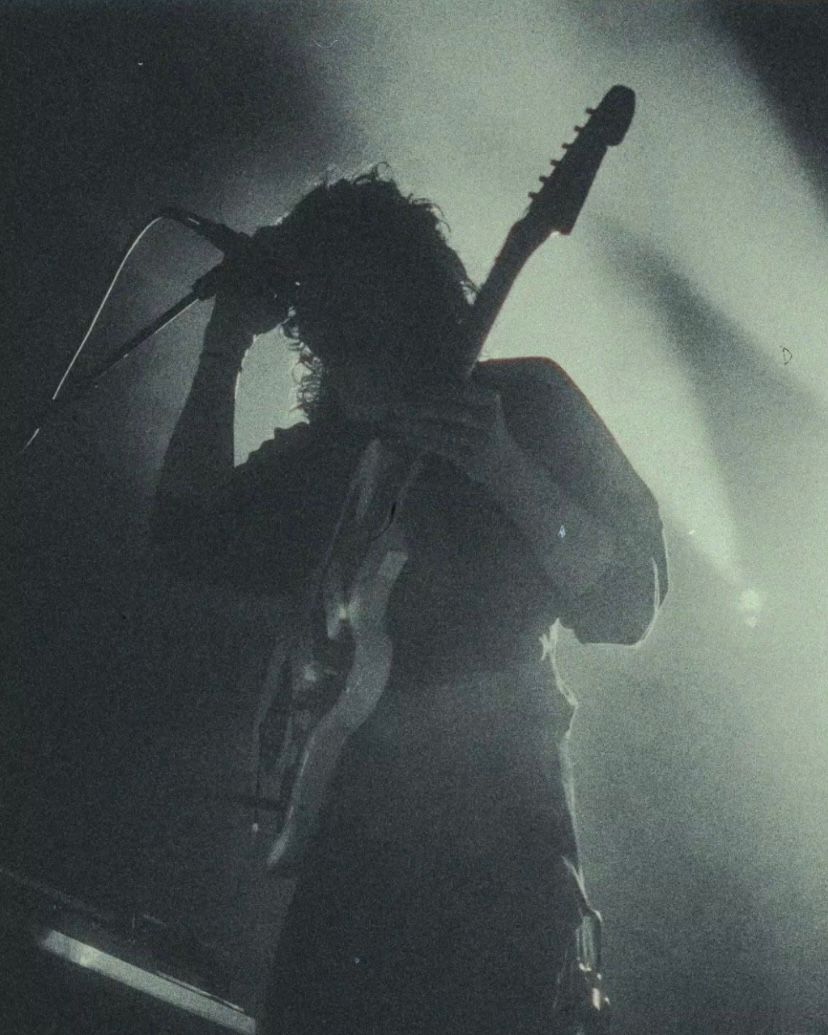
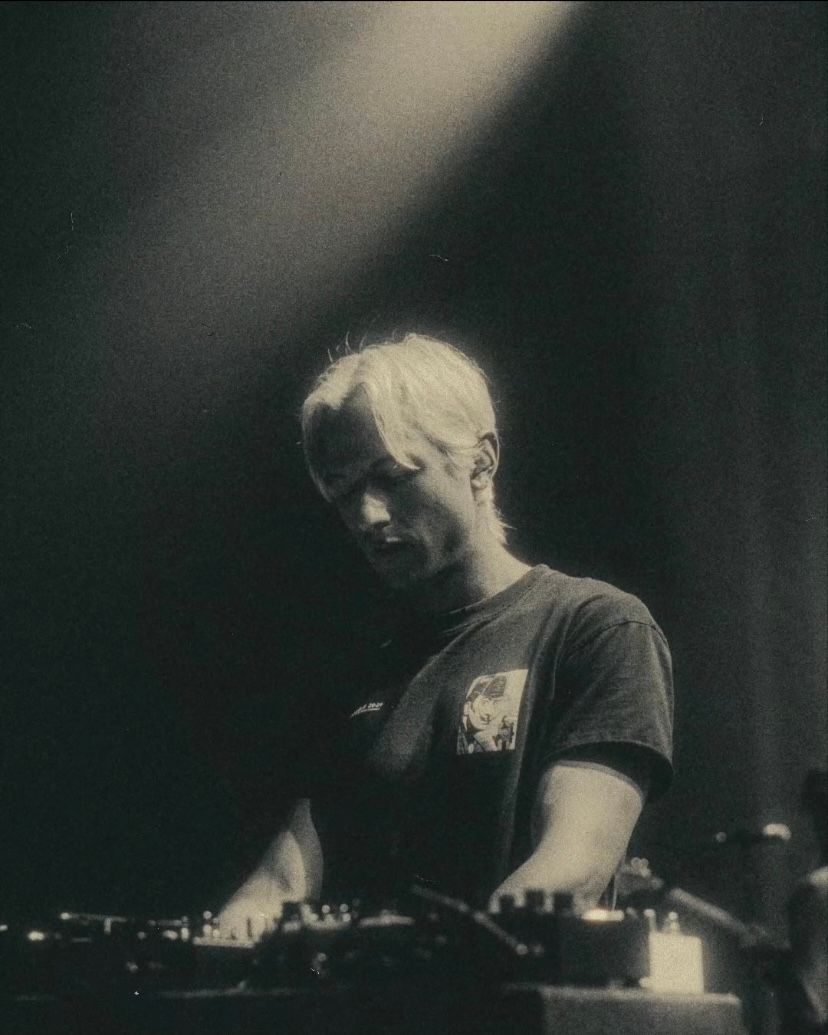
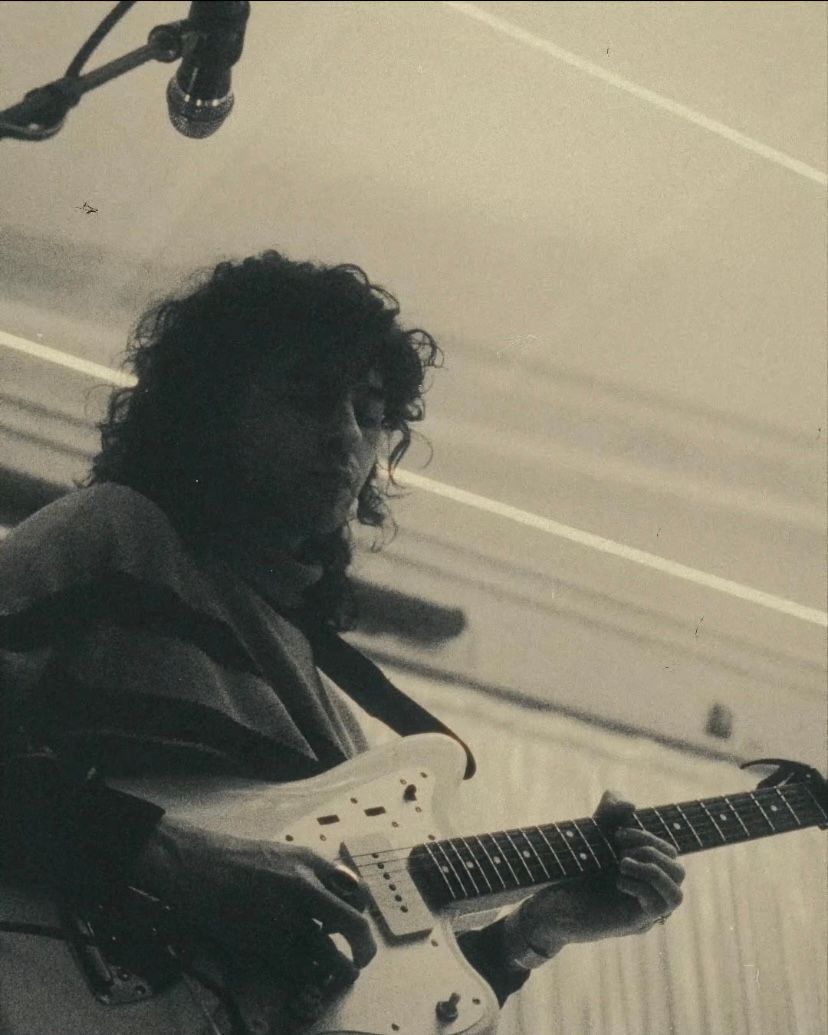
The visuals on socials for “at Variance” have a brilliant, cinematic quality to them. Can you talk about the importance of not only perfecting your music, but the accompanying visuals as well?
CONNOR: Our philosophy as a band has always been to create something we genuinely believe in, something that feels like an extension of who we are. And maybe that’s a common viewpoint amongst most artists when it comes to their work, but for us, that mindset seeps into everything. The visuals, the merchandise, even something as insignificant as a social media post should have the same level of care, attention, and most importantly, intention, behind it. They’re all representations of our artistic identity. If any one element feels lazy, cheap, or purely trend-driven, it diminishes everything. All that to say, the visuals are important and should support the music, not dilute it.
You also hinted that “at Variance” is part of a larger EP – what can we expect from the project?
RYAN: we typically don’t like to relay any expectations because things always change, but yes an EP by mid year is the goal.
You recently wrapped your Midwest tour – how do you bring that sharp attention to detail from the studio to live settings?
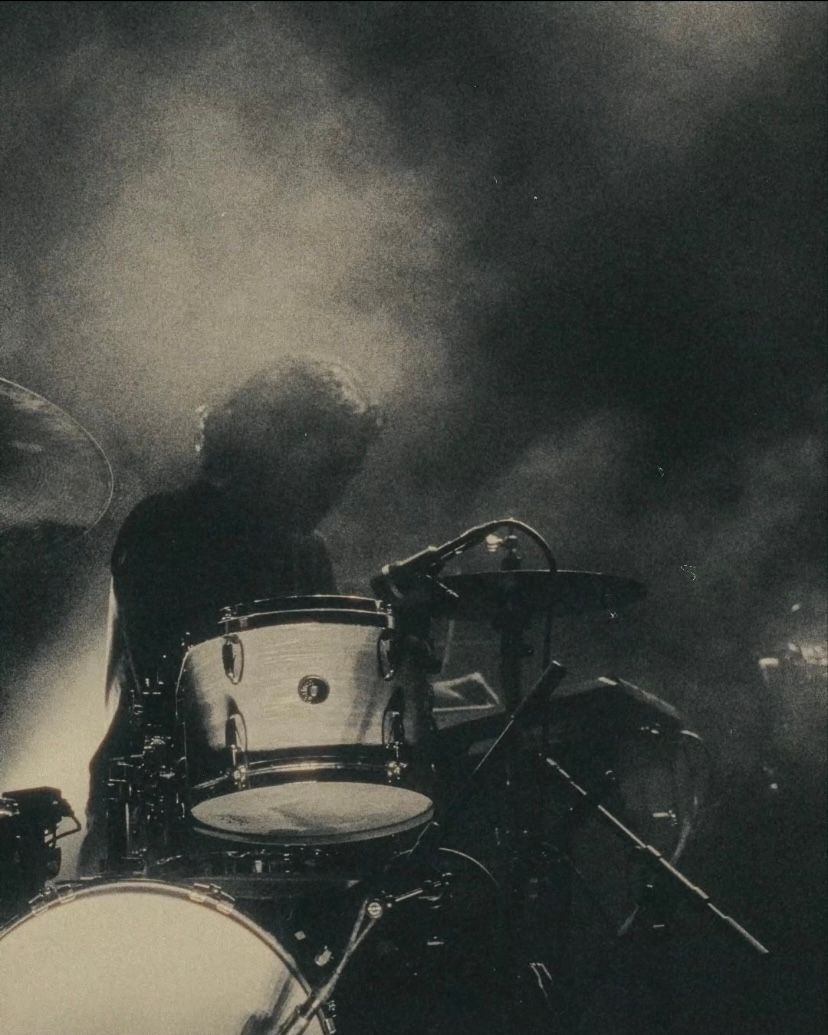
RYAN: most of it is out of necessity. a lot of the parts we write can’t be played on our instruments of choice, so we have to spend a lot of time deciding what should be programmed, performed or backtracked so the experience can be as immersive as possible. that trickles down into the visuals with lights and haze etc, but it’s never focus. we want the show to feel like you’re someplace else from the moment you walk in. we’re definitely not fully there, but that’s what we hope to achieve.
Is there anything else you’d like to add?
these were really great questions. thanks for being intentional and for taking the time to go into the details.