 store
store  Garden
  narcat world
  University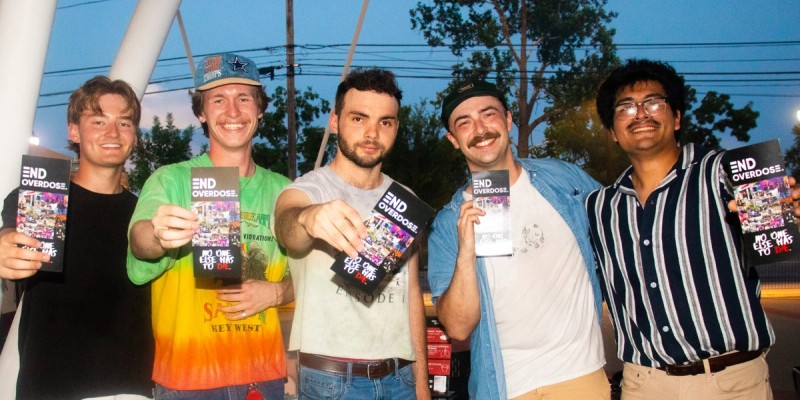
Hailing from Northwest Arkansas, Malibu Moon has formed an ethereal indie-rock sound that blends gentle instrumental inflections with sticky vocal melodies. Founded when vocalist/rhythm guitarist Blake Dias and guitarist/keyboardist Christian Gomez met via Vampr – an app that’s “basically Tinder for musicians” according to the band – its lineup naturally coalesced with the help of Hill Records’ president Drew Bethell (who would later become Malibu Moon’s manager).
As the band has steadily built a following throughout the Natural State, it’s released a stream of singles with stylistic choices like surfy, psychdelic grooves (see: “Housecleaning”) and crescendos of fuzzy guitars stacked with cascading vocal harmonies on “Bridges.” Most recently, the band delivered its debut Big Shoes EP, a four-track offering that finds its sound at its most realized and refined. Opener “Am I Heartless?” floats through trippy atmospherics, standout single “Balls (When We Were Friends)” is grounded in loose, sun-soaked riffing, and the title-track serves as an affectionate, introspective closer.
We sat down with Malibu Moon to discuss the intentional process behind Big Shoes, the creative evolution from the band’s earliest singles, and why it’s made supporting End Overdose a priority on the live circuit.
Can you take me through the creative process of Big Shoes? How was it writing and assembling this project? And what was inspiring you creatively throughout it?
Big Shoes was a project that took a lot of time. With one of our members living in another state, the creative process was different for each song. Each song had several late night phone calls and “home studio” sessions with each other. In a way, each song flows with one another, going through a journey of internal reflection. The idea of “Big Shoes” is that there is always room to grow, and we ran with that.
How would you say you’ve evolved as songwriters since earlier singles like “It’s Over”?
The evolution since “It’s Over” is unparalleled. That song was written, recorded and released within 10 hours, all in a small bedroom in an apartment. There was no real story behind it, it was just a silly heartbreak song we made for fun. However, I don’t want to discredit the song by any means, it has its own charm and it wouldn’t be the same if we spent any more time on it.
When I compare the music we’re currently working on to “It’s Over” and honestly even comparing it to “Big Shoes,” we’ve made a lot of improvements. We are a lot more intentional with what goes into our music. Every word is precisely chosen to help tell a story. We try to reach topics that are both niche and universally relatable at the same time – which is quite a challenge. We don’t move forward on a song unless it holds real meaning for us whether that’s in the melody, the lyrics, or the structure.
How would you evaluate the Northwest Arkansas scene? What excites you most about the arts in the region?
What’s most exciting to me about the music scene in Northwest Arkansas is that it’s impossible to know what it’ll look like in the next 10 or 20 years. This place is growing, and it’s up to the local bands today to build their own foundation of sound, excellence, and creativity. Everyone’s contributions now is what this music scene will become. We enjoy all kinds of music, but we truly believe that Malibu Moon’s artistic styles will continue to fill gaps that we haven’t seen get filled over here yet. And on top of that, a real goal for Malibu Moon has been to present something new every time people see us.
Why do you feel it’s important for bands to collaborate with nonprofits like End Overdose?
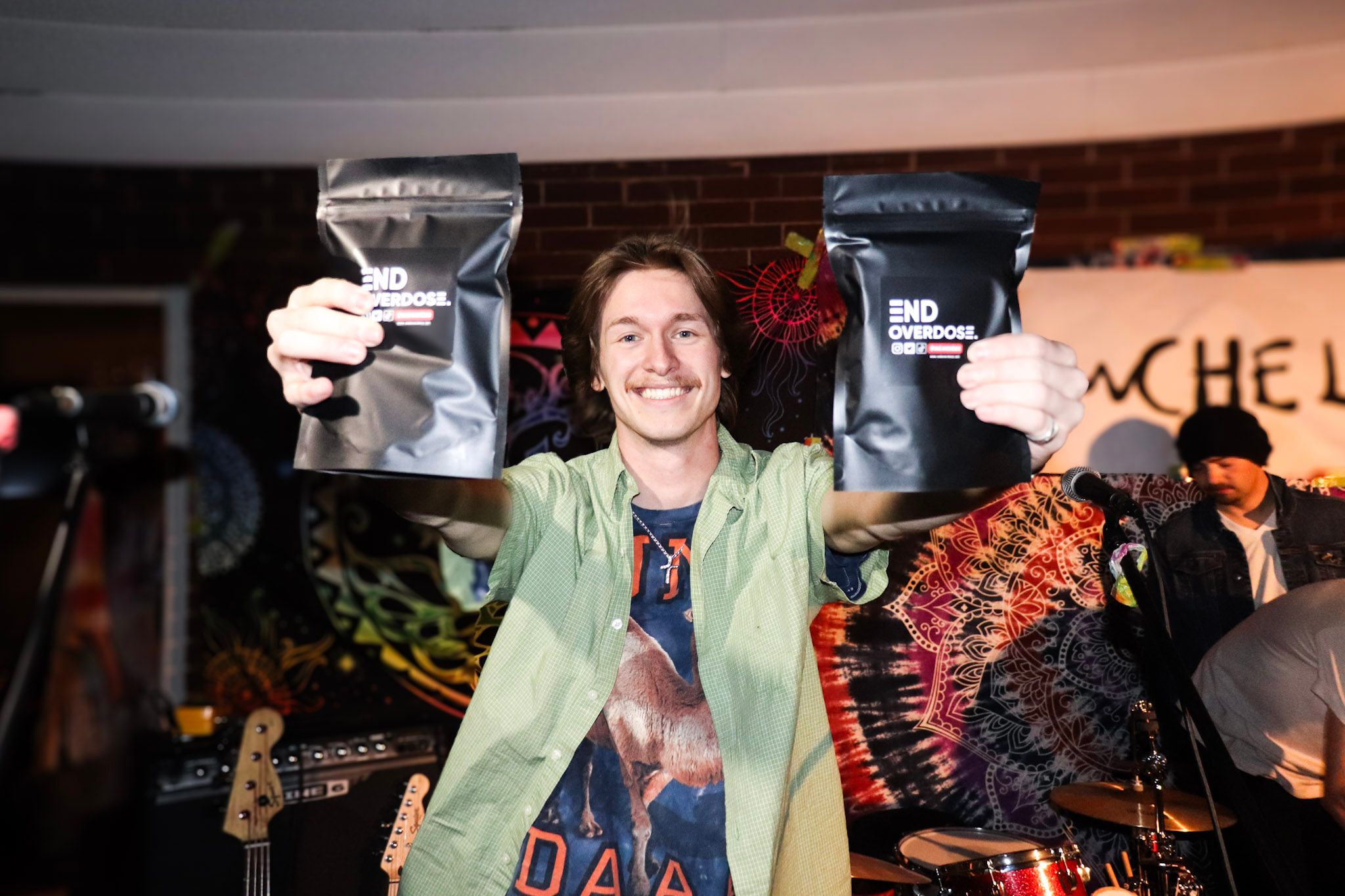
We believe it’s extremely important for bands that want to build community to partner with a nonprofit they genuinely support and actively advocate for. We are beyond grateful, as musicians, to stand alongside End Overdose not only as partners, but as proud advocates of everything they represent. Our band was built on house parties and with that scene comes a lot of risk. It’s important to us to protect our people and End Overdose has helped us walk into every show proud of what we represent and who we help. We have the peace of mind that End Overdose is equipping those around us with the ability to save lives whether at our shows or somewhere else in a time of need.
What are your plans in the coming months as we head into the final stretch of 2025?
The first part of 2025 was all about making a name for ourselves here at home, but the rest of the year is about pushing ourselves onto a bigger stage. We’ve got more songs saved up than we even know what to do with, so now it’s about choosing the ones that mean the most to us and giving them everything we’ve got. It’s a little overwhelming, but it’s the kind of work we’ve been dreaming about since the beginning. This fall, we’re playing shows that feel bigger than anything we could’ve imagined when we first started out. Back then, we didn’t even have enough money to fill a merch table, so instead, we had our friends at End Overdose join us at every show. Looking back, it feels like the perfect reminder of why we do this: it’s always been about the people around us.