 store
store  Garden
  narcat world
  University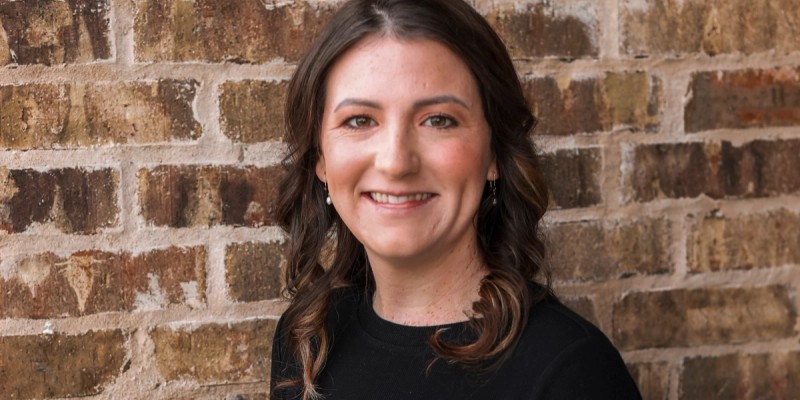
Based in Arkansas with centers in Fort Smith and Hot Springs, Harbor House, Inc. is a behavioral health agency dedicated to providing hope and healing for those suffering from addiction. They provide a breadth of services including residential treatment, intensive outpatient, and other pathways to recovery.
To learn more about Harbor House’s Prevention Programs and their work throughout the Natural State (official website here), we spoke with Prevention Grant Manager Katie Priest, BA, CPC. Priest leads the charge on Harbor House’s funding through the Substance Use Block Grant and ensures they meet an array of grant deliverables while serving the Arkansas community to its maximum capacity.
In our conversation together, we cover Priest’s background that led her to Harbor House’s Prevention Programs, her perspective on overdose prevention and response throughout the state of Arkansas, and what she envisions for the state’s future.
[Note: Priest’s answers throughout our compelling conversation are solely her views.]
Can you tell us about your background? What inspired you to pursue a career within the recovery space?
Born and raised across the border in Oklahoma, I have always frequented the river valley area. After graduating from the University of Arkansas - Fort Smith, I knew that I wanted to pursue a career that helped the community I grew up in and loved. Having had family members who suffered from substance use disorders, I knew that the work Harbor House, Inc. was doing was important.
When did you begin working for Harbor House? How would you frame the organization’s overarching mission?
I began working for Harbor House, Inc. in 2016. After joining Harbor House, I quickly fell in love with our mission to provide hope and healing for those suffering from addiction. After a few years serving in multiple roles, including serving women who entered the program at Gateway Recovery Center, I fully transitioned away from providing treatment services, to focus on substance use prevention.
What does a typical day of grant management look like? Can you take us through your role?
I am quickly approaching ten years employed by Harbor House, Inc. I am now a Certified Prevention Consultant and serve as the Prevention Grant Manager for two regions serviced under funding from the Substance Use Block Grant. Our Regional Prevention Provider grants serve 11 counties in Arkansas. The grant provides substance use prevention services completely free to the community. In my role as the grant manager, I ensure that we meet our grant deliverables while serving our community in the fullest way possible. Some days this looks like tedious reporting work, other days I have the opportunity to provide education and training to the community I have loved my whole life.
How would you evaluate the landscape of the overdose epidemic in Arkansas? What gaps can be filled by recovery organizations like Harbor House?
From my unique standpoint, I can see how the opioid overdose epidemic has impacted both those with substance use disorders as well as the larger community. I do feel like we have made progress in slowly eroding the stigma surrounding substance use treatment and I have seen a growing shift towards people understanding that substance use disorders can be treated and people do recover. I feel that recovery organizations, like Harbor House, quietly fills a continually growing need for both empathy and evidenced based treatment for the community. We stand in the gap when families come to us oftentimes broken, hurting, and having nowhere else to turn. We have the amazing opportunity to watch as our clients put in the hard work, with support from their treatment team, and begin to live full meaningful and productive lives again.
What do you envision for the future of recovery and overdose prevention & response in Arkansas?
I envision a future where anyone who is looking to enter recovery is provided with the full support that they need in that moment in order to flourish. I envision a time where we move past the overdose epidemic and we can pour our time, effort, and resources into helping people learn to live the life they may never have thought they could.
Is there anything else you’d like to add?
Treatment and recovery are so important for our community. On the same hand, prevention is just as, if not more, important. Prevention is the one job that if you do everything “right” then nothing happens. What I mean is, when we, as substance use prevention providers, are reaching our maximum impact then our community will never face a substance use crisis, and instead will live full meaningful lives.